
Bee Hummingbird : A Complete Guide for Birdwatchers and Wildlife Photographers
Discover the World’s Smallest Bird in Cuba
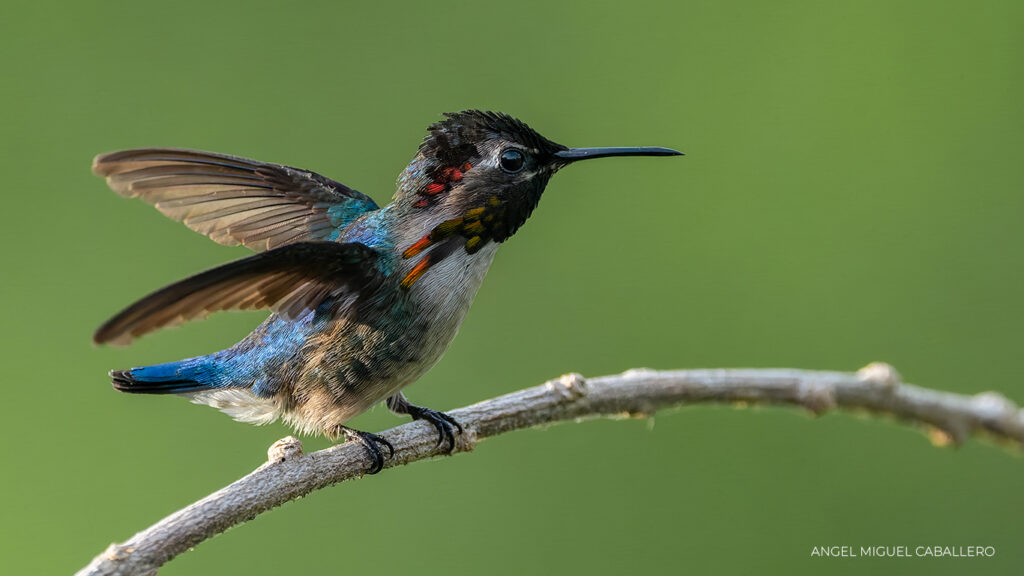
The Bee Hummingbird (Mellisuga helenae) is widely recognized as the smallest bird in the world, making it one of the most fascinating species for birdwatchers and wildlife photographers visiting Cuba.
Measuring approximately 5–6 cm (2–2.4 inches) and weighing about 1.6–2 grams, this tiny bird is a true natural wonder. Its size, speed, and vibrant coloration—especially the male’s iridescent red throat—make it a highly desirable subject for nature photography.
Why the Bee Hummingbird Attracts Bird Photographers
For photographers, the bee hummingbird represents both a challenge and a reward. Its rapid wingbeats and hovering flight require precision and patience, but the results can be extraordinary.
Key reasons photographers travel to Cuba to capture this species:
- It is endemic to Cuba (found nowhere else on Earth)
- Its extremely small size makes it unique among all birds
- It displays brilliant iridescent colors in natural light
- It offers rare macro and action photography opportunities
Because of these characteristics, the bee hummingbird is considered a bucket-list species in the global bird photography community.
Where to See the Bee Hummingbird in Cuba
The bee hummingbird has a restricted and patchy distribution, but there are well-known locations where sightings are more frequent.
Top regions include:
- Zapata Peninsula
- Western regions such as Pinar del Río
- Forest edges, coastal vegetation, and lowland habitats
The Zapata Peninsula, in particular, is one of the most important birdwatching areas in the Caribbean and a key destination for guided tours focused on endemic species.
Habitat and Behavior
The bee hummingbird inhabits:
- Tropical and subtropical forests
- Swamplands and coastal ecosystems
- Mountain valleys and lowland vegetation
It is a non-migratory species, meaning it can be observed in Cuba throughout the year—an important advantage for planning birdwatching trips.
Like other hummingbirds, it feeds primarily on flower nectar and plays a vital role in pollination. Its hovering ability and fast movements make it an exciting subject for high-speed photography.
Conservation Status and Responsible Birdwatching
The bee hummingbird is currently classified as Near Threatened, mainly due to habitat loss and fragmentation.
For visitors and photographers, responsible tourism is essential:
- Avoid disturbing birds, especially during nesting
- Keep a respectful distance
- Work with local guides who follow conservation practices
Choosing ethical birdwatching tours not only protects wildlife but also supports conservation efforts in Cuba.
Why Cuba Is a Top Destination for Birdwatching Tours
Cuba is one of the most important birding destinations in the Caribbean, with a high number of endemic species. The presence of the bee hummingbird makes it especially attractive for international visitors.
Travelers choose Cuba for:
- Exclusive access to endemic birds
- Diverse ecosystems in a relatively compact area
- Year-round birdwatching opportunities
- Unique photography experiences
For anyone interested in birdwatching in Cuba or wildlife photography tours, the island offers exceptional value and unforgettable encounters.
Plan Your Bird Photography Experience in Cuba
If you are planning a trip focused on birdwatching or photography, timing, location, and local expertise are key. Guided tours significantly increase your chances of observing and photographing rare species like the bee hummingbird.
Whether you are a professional photographer or an enthusiast, Cuba provides a rare opportunity to capture one of the most extraordinary birds on the planet.