
Cuban Green Woodpecker : A Complete Guide for Birdwatchers and Wildlife Photographers
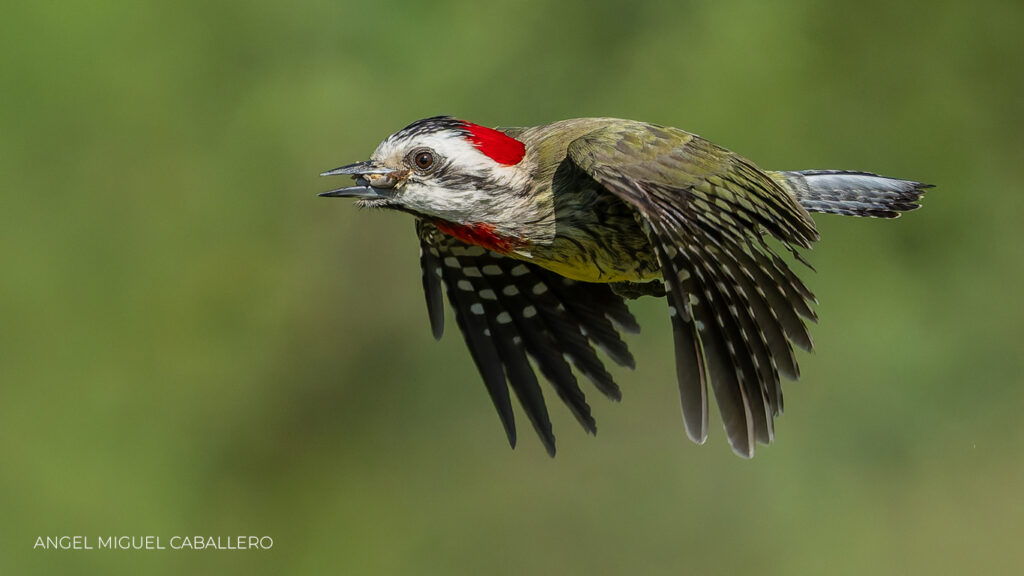
Discover the Cuban Green Woodpecker Cuba
The Cuban Green Woodpecker Cuba (Xiphidiopicus percussus) is one of the most widespread and visually striking endemic birds for birdwatching and wildlife photography in Cuba. As one of only two woodpecker species native to the island, it offers a reliable and rewarding experience for visitors seeking authentic birding encounters.
This species is recognized as the most common woodpecker in Cuba, with a stable population classified as Least Concern, making it an excellent target for photographers and birdwatchers alike.
Why the Cuban Green Woodpecker Is Ideal for Bird Photography
The Cuban Green Woodpecker stands out due to its bold coloration and active behavior:
- Olive-green upperparts and yellow streaked underparts
- Bright red upper breast and contrasting facial pattern
- Sexual dimorphism: males with red crown, females with black-and-white striped crown
- Medium size (approx. 21–25 cm in length)
Its habit of foraging on tree trunks and remaining still for moments makes it an excellent subject for close-up and behavioral photography.
Where to See the Cuban Green Woodpecker
The Cuban Green Woodpecker Cuba is widely distributed across the island and can be observed in many regions, including:
- Forests and woodland edges
- Pine forests and mangroves
- Lowland tropical habitats
- Even semi-open areas with trees
It is present throughout mainland Cuba and areas like Isla de la Juventud, making sightings frequent and predictable.
This wide distribution makes it one of the easiest endemic birds to include in any birdwatching itinerary.
Habitat and Behavior of the Cuban Green Woodpecker
This species occupies a variety of ecosystems:
- Dry and wet forests
- Mangroves and coastal zones
- Open woodland with palms
It is typically seen in pairs or small groups and is highly territorial, especially during breeding season.
The Cuban Green Woodpecker feeds mainly on:
- Large insects and larvae
- Fruits
- Occasionally nectar and small vertebrates
Interestingly, it has also been documented feeding on nectar and acting as a pollinator, an uncommon behavior among woodpeckers.
Cuban Green Woodpecker Photography Tips
For photographers visiting Cuba, this species offers consistent opportunities:
- Look for activity on dead trees and branches
- Early morning is best for light and behavior
- Listen for drumming and vocal calls to locate individuals
- Use natural perches for composition
Because the species is common and active, it is ideal for both beginner and professional wildlife photographers.
Conservation Status and Responsible Birdwatching
The Cuban Green Woodpecker is classified as Least Concern, with a stable population across its range.
However, responsible tourism remains essential:
- Avoid disturbing nesting cavities
- Respect natural habitats
- Support sustainable birdwatching practices
Protecting ecosystems ensures long-term opportunities for bird photography in Cuba.
Experience Birdwatching in Cuba With a Local Guide
Seeing the Cuban Green Woodpecker Cuba in its natural habitat is only part of the experience. The real difference comes from knowing where and how to find it efficiently.
With expert local guidance, you can:
- Maximize sightings of endemic species
- Access the best birding locations
- Improve your wildlife photography results
- Experience Cuba beyond typical tourism
Whether you’re a dedicated bird photographer or a passionate nature traveler, exploring Cuba’s ecosystems with a knowledgeable guide transforms your trip into a high-value, unforgettable experience.
Why This Species Matters for Your Birding Trip
The Cuban Green Woodpecker is not just common—it is a key species that represents the diversity of Cuba’s birdlife. Its accessibility, behavior, and striking appearance make it a cornerstone species for any birdwatching or photography tour.